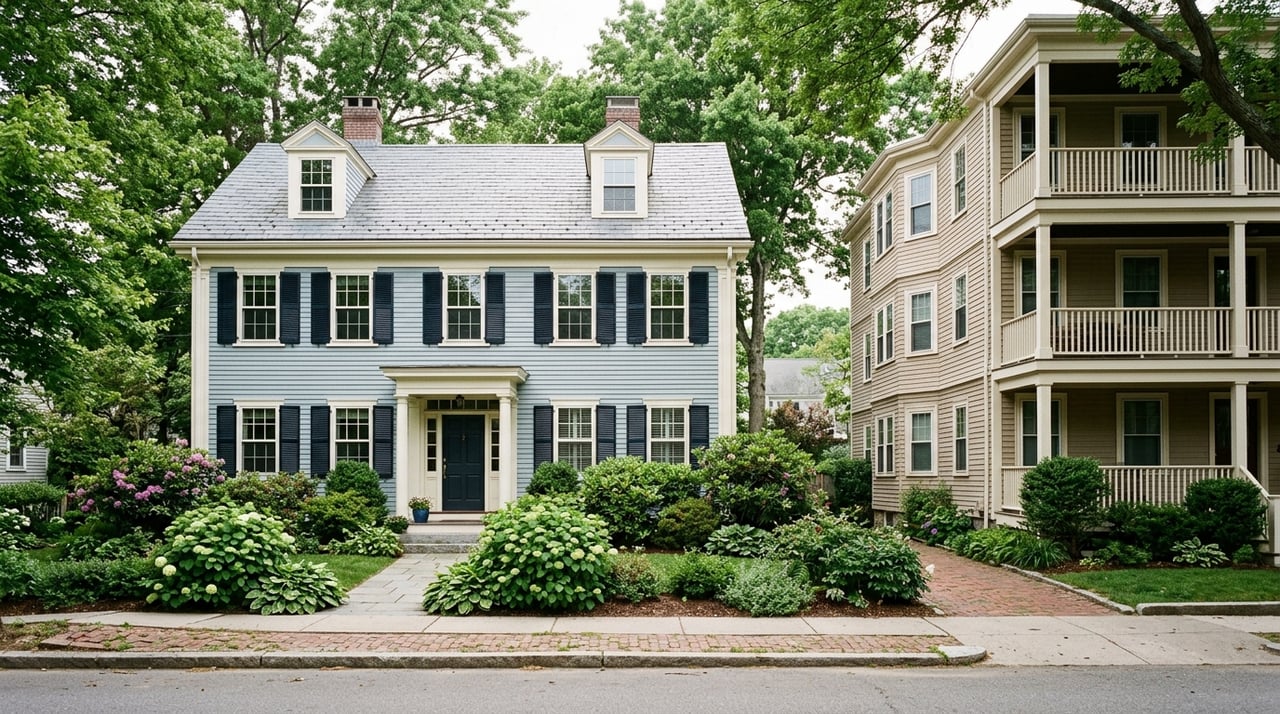
If you are trying to decide between a single-family home and a multifamily property in Worcester, the right choice usually comes down to one question: do you want simpler ownership, or do you want income potential that comes with more moving parts? Both options can make sense, but they serve very different goals. This guide will help you compare costs, financing, daily responsibilities, and resale considerations so you can make a smart decision for your next move in Worcester. Let’s dive in.
Worcester price differences
In Worcester, the gap between single-family and multifamily pricing is meaningful. The City of Worcester lists a median house price of $346,500 for single-family homes and $475,000 for multifamily homes. That means the official multifamily benchmark is $128,500 higher, or about 37% more.
Current listing activity shows that the range can stretch even further depending on property type, size, and condition. Realtor.com reported a May 2026 median listing price of $450,000 across Worcester, with 299 homes for sale, while Redfin showed 79 multifamily listings with a median listing price of $677,000. In simple terms, buying multifamily in Worcester often means preparing for a larger budget from day one.
Monthly cost differences
The price gap affects more than your purchase offer. It also changes your down payment, monthly mortgage payment, and likely tax bill. Even before repairs and maintenance, multifamily ownership usually carries a higher monthly cost.
Using Freddie Mac’s July 2, 2026 30-year fixed rate of 6.43%, a buyer putting 20% down would need about $69,300 for Worcester’s single-family benchmark and about $95,000 for the city’s multifamily benchmark. At Redfin’s current multifamily median listing of $677,000, that same down payment would be about $135,400.
The same pattern shows up in principal and interest payments. At that rate, estimated monthly principal and interest would be about $1,739 for the single-family benchmark, $2,384 for the multifamily benchmark, and $3,398 for the Redfin multifamily median listing. Those figures do not include insurance, maintenance, vacancy, or other property expenses.
Worcester taxes matter too
Worcester’s FY2026 residential tax rate is $13.28 per $1,000 of assessed value. Based on the city’s benchmark pricing, that works out to rough annual property taxes of about $4,602 for a single-family home and about $6,308 for a multifamily property. At the current Redfin multifamily median listing, the rough annual tax example is about $8,991.
These numbers are only illustrations, and Worcester notes that assessments are based on 100% of full and fair cash value. Still, they are useful because they show how a higher purchase price can affect your total carrying cost. When you compare homes, the monthly payment is only part of the story.
Single-family strengths
For many buyers, a single-family home offers the clearest and simplest path to ownership. You usually have one living space, one household, and fewer management demands than you would with rental units. If your top priorities are privacy, simplicity, and easier day-to-day upkeep, single-family may be the better fit.
A single-family home can also offer a cleaner exit later. For a primary residence, the federal home-sale exclusion can shelter up to $250,000 of gain, or $500,000 for married couples filing jointly, if the ownership and use tests are met. That can make resale easier to understand from a tax perspective than a mixed-use owner-occupied multifamily property.
Multifamily strengths
A multifamily property can appeal to buyers who want their home to do more financial work. If you live in one unit and rent the others, the rental income may help offset your monthly payment. That setup is one reason owner-occupants continue to consider duplexes, triplexes, and other small multifamily properties in Worcester.
Multifamily can also give you more flexibility over time. A property held for business or investment can qualify for a like-kind exchange under Section 1031, while a main home does not. In practical terms, a multifamily property may offer more long-term options if your goal includes holding, refinancing, or building an investment portfolio.
Owner-occupied financing options
One common misconception is that multifamily always requires investor-only financing. That is not the case for many owner-occupants. HUD’s FHA handbook limits FHA single-family programs to owner-occupied one- to four-family principal residences, and Fannie Mae’s HFA Preferred fact sheet shows owner-occupied 2-4 unit properties can be eligible up to 95% LTV and 105% CLTV.
That matters if you are thinking about house hacking in Worcester. A duplex, triplex, or four-family may still be financed as a home you live in, not only as a pure investment purchase. The opportunity is real, but so is the need to review the numbers carefully before you commit.
Rent can help, but numbers matter
Worcester’s current median rent is $2,250 per month, according to Realtor.com. That is a helpful starting point if you want to estimate the income side of a multifamily purchase. Still, it should not be the only number you use when making a decision.
A citywide median rent does not tell you what a specific unit can command based on size, layout, condition, or location within Worcester. If you are comparing a single-family home to a two-family or three-family, you need unit-specific rent estimates and a realistic budget for vacancy, repairs, and turnover. The better your underwriting, the better your decision.
Worcester compliance and upkeep
This is where Worcester buyers need to pay close attention. The city has launched a Rental Registration Program that requires owners of all rental properties to register each property. That creates an added compliance layer for multifamily owners that single-family owner-occupants may not face in the same way.
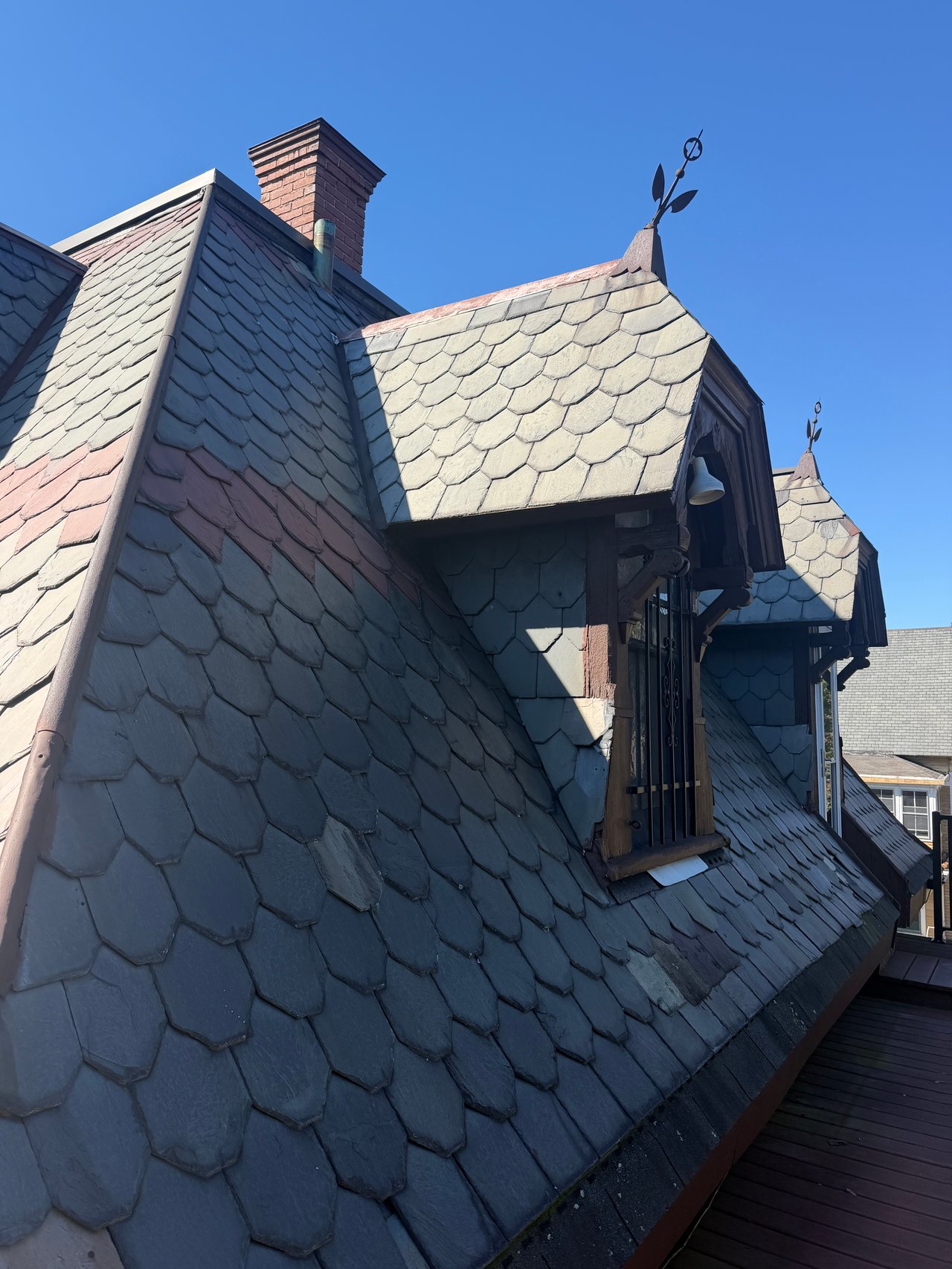
Worcester’s Housing Now Initiative also notes that much of the city’s multifamily housing stock is made up of older triple-deckers, many of them more than 100 years old, with deferred maintenance and code issues often present. If you are choosing between a move-in-ready single-family home and an older two-family or three-family, condition can be just as important as price.
Tax and bookkeeping differences
If you own a single-family home as your primary residence, your tax picture is usually more straightforward. By comparison, a multifamily property where you live in one unit and rent others creates a mixed-use setup. That can open the door to deductible rental expenses, but it also means more recordkeeping.
IRS Publication 527 says rental expenses can include items such as maintenance, insurance, taxes, interest, cleaning, utilities, and depreciation. It also says mixed-use properties must divide expenses between rental and personal use. Massachusetts Department of Revenue guidance says rental income is reported on Massachusetts Schedule E, with deductions generally following federal treatment to the extent allowed.
For some buyers, that added complexity is worth it. For others, it feels like a second job. The right answer depends on how involved you want to be.
Selling a multifamily later
Your exit strategy matters before you buy. A single-family home is often easier to picture as a future primary-residence sale. A multifamily property can still be sold, refinanced, or held long term, but the path is usually more layered.
In Massachusetts, landlords must transfer the tenant’s security deposit and last month’s rent to the new owner when a rental property is sold. Worcester also notes that property taxes are typically prorated at closing and that the new owner becomes responsible once the sale is finalized. If tenants are in place, your sale timeline and documentation may require more coordination than a standard owner-occupied single-family transaction.
Which option fits your goals?
If your top goal is a home that feels simpler to buy, manage, and eventually sell, a single-family property may be the stronger match. It usually comes with a lower purchase benchmark in Worcester, a lower estimated down payment, and fewer landlord-style responsibilities. That can be especially appealing if you want predictability and a more traditional homeowner experience.
If your goal is to blend homeownership with income potential, multifamily may be worth the added complexity. Worcester offers a long-standing stock of two-family and three-family properties, and owner-occupied financing can make that path more accessible than many buyers expect. The tradeoff is that you need to be ready for larger upfront costs, ongoing compliance, and a more hands-on ownership experience.
A practical Worcester decision framework
When you compare single-family vs. multifamily in Worcester, ask yourself these questions:
- Do you want the simplest possible ownership experience?
- Are you comfortable with a higher down payment and monthly carrying costs?
- Would rental income meaningfully improve your budget?
- Are you prepared for vacancies, repairs, and tenant-related responsibilities?
- Are you considering an older Worcester property that may need more maintenance or code-related work?
- Do you want a cleaner owner-occupant resale path, or more investment flexibility later?
The right answer is not the same for every buyer. It depends on your budget, your tolerance for complexity, and what you want your property to do for you over the next several years.
In Worcester, both property types can be smart choices when they match your goals and your numbers. If you want help comparing real listings, estimating likely costs, or evaluating whether a single-family home or multifamily property fits your plan, Erin Zamarro can help you think it through with local Worcester insight.
FAQs
What is the price difference between single-family and multifamily homes in Worcester?
- The City of Worcester lists a median house price of $346,500 for single-family homes and $475,000 for multifamily homes, a difference of $128,500.
Can you buy a Worcester multifamily property as an owner-occupant?
- Yes. FHA single-family programs apply to owner-occupied one- to four-family principal residences, and Fannie Mae HFA Preferred guidance shows eligible owner-occupied 2-4 unit properties.
Is a single-family home easier to manage in Worcester?
- In many cases, yes. A single-family home usually involves fewer moving parts because you are not managing rental units, tenant turnover, or Worcester rental registration requirements.
Does Worcester require rental property registration for multifamily owners?
- Yes. Worcester has launched a Rental Registration Program that requires owners of rental properties to register each property.
How should you estimate rent for a Worcester multifamily purchase?
- Worcester’s reported median rent of $2,250 per month is a useful starting point, but you should use unit-specific rent estimates based on the actual property rather than relying on the citywide median alone.
What makes older Worcester multifamily homes riskier to buy?
- Worcester’s Housing Now Initiative notes that much of the city’s multifamily stock is older, often more than 100 years old, and deferred maintenance and code issues are common concerns.