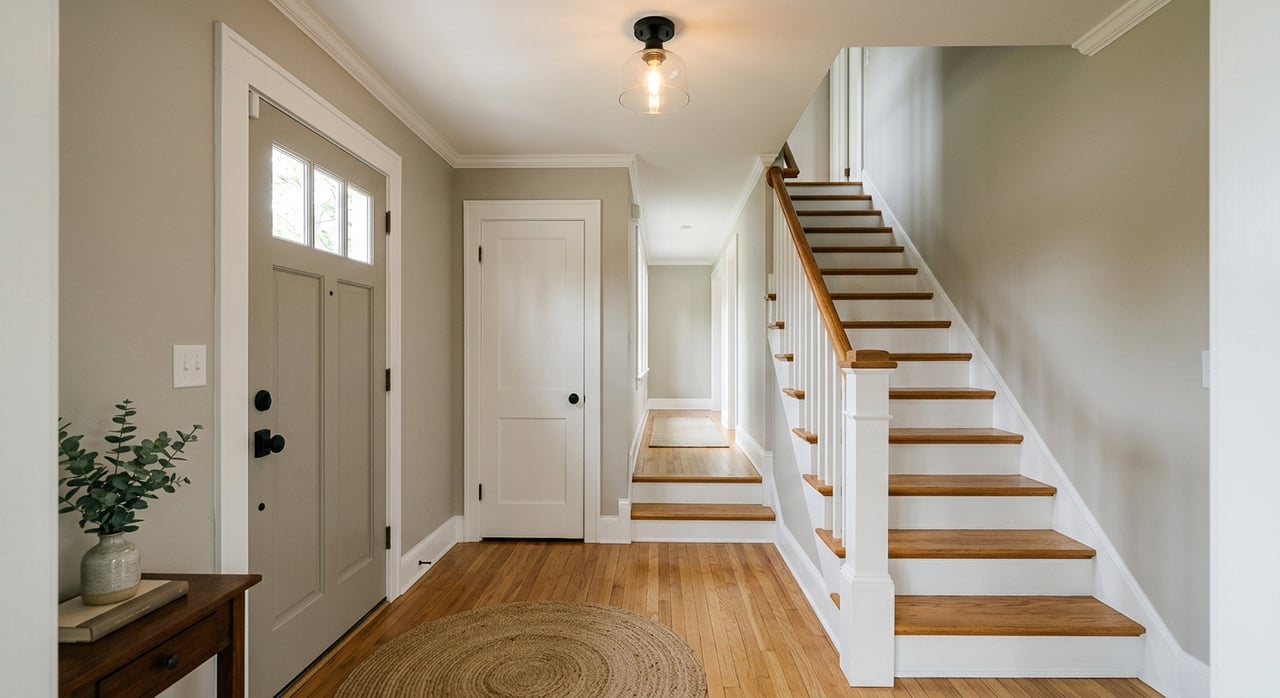
If you own an older home in West Tatnuck, you are not alone in wondering what today’s buyers will notice first. In Worcester, much of the housing stock was built before 1960, which means many sellers are balancing charm and character with maintenance, safety, and buyer expectations. The good news is that you do not need to renovate everything to make a strong impression. With the right plan, you can focus on the updates that matter most and avoid spending where it is unlikely to help. Let’s dive in.
Why older-home prep matters in West Tatnuck
Worcester’s housing stock is old by any measure. City planning documents say about 59% of Worcester homes were built before 1960, fewer than 8% were built in the last two decades, and the city has one of the oldest housing stocks in the country.
That matters because older homes often come with deferred maintenance. Worcester’s housing planning also points to recurring issues like poor ventilation, outdated plumbing, mold, and inefficient heating and cooling. In a neighborhood like West Tatnuck, buyers may appreciate original details and established settings, but they will still pay close attention to condition.
This is especially important in an active market. Recent Worcester data from Redfin showed a median sale price of $464,760 and about 28 days on market for the three months ending April 2026, while Zillow reported an average home value of $435,532 and homes going pending in around 10 days as of late April 2026. Different data sources track different things, but both suggest buyers are moving, and visible issues can still affect offers and negotiations.
Start with inspection-ready priorities
For an older West Tatnuck home, the smartest first step is usually not cosmetic. It is making sure the house presents as dry, safe, functional, and well maintained in the areas buyers and inspectors are most likely to focus on.
Massachusetts home inspections are limited to readily accessible and observable components. That includes heating, cooling, plumbing, electrical systems, structural components, the foundation, roof, masonry, and interior and exterior features. The state also makes clear that inspections do not uncover every issue, so it helps to address visible concerns before your home hits the market.
Since October 15, 2025, sellers and agents in Massachusetts also cannot condition a sale on a buyer waiving inspection. In practical terms, that means you should prepare with the expectation that a buyer will inspect the property.
Focus on the big-ticket visible systems
For many older homes, these are the first places to look:
- Roof condition
- Gutters and downspouts
- Site grading and drainage
- Foundation cracks
- Electrical updates or obvious safety issues
- Plumbing leaks or signs of outdated components
- Heating and cooling performance
- Exterior deterioration around porches, stairs, and handrails
These are not glamorous updates, but they can reduce buyer concerns fast. If buyers see evidence that the home has been cared for, they are often better able to appreciate the rest of the property.
Treat moisture as a real issue
Moisture problems can hurt confidence quickly in an older home. Massachusetts healthy homes guidance calls out leaks, inadequate ventilation, and mold growth as important health and safety concerns, and Worcester’s housing planning links aging homes with similar issues.
This means you should not just paint over a stain or hide a damp basement smell. If you have water intrusion, poor ventilation, or visible mold, address the underlying cause first. Buyers and inspectors tend to view moisture as a sign of a larger systems problem, not a minor cosmetic flaw.
Know the compliance items before listing
Some of the most important prep work for an older home is paperwork and compliance. These items may not make your listing photos look better, but they can affect the sale.
Lead paint and older-home disclosures
If your home was built before 1978, Massachusetts requires lead paint notification during a property transfer. Worcester also offers lead-abatement help for eligible properties, and Massachusetts law requires lead hazard abatement where children under six live.
For sellers, the takeaway is simple: do not wait until the last minute to understand what applies to your property. If there is any question about lead, gather information early so you are not scrambling during negotiations.
Smoke and carbon monoxide alarms
Massachusetts requires smoke and carbon monoxide alarm compliance before the sale of certain one- and two-family homes. This is one of those details that can feel small until it becomes a closing delay.
A pre-listing check can help you avoid a last-minute surprise. It also signals to buyers that you have taken safety requirements seriously.
Septic and service-line questions
If your property has a septic system, Title 5 can affect the transaction. And if the service-line material is unknown, Worcester’s water department says property owners can request an investigation through Worcester 311.
These are not universal issues in every West Tatnuck sale, but if they apply to your property, they should be part of your prep plan from the beginning.
Spend your budget where buyers notice it
Once the major condition and compliance issues are under control, shift your attention to presentation. This is where many sellers can make meaningful improvements without taking on a full remodel.
National staging data from 2025 found that 83% of buyers’ agents said staging made it easier for buyers to visualize a property. The same report found that 29% of sellers’ agents said staging increased the dollar value offered by 1% to 10%.
That does not mean every home needs professional staging in every room. It does mean that presentation matters, especially in the spaces buyers see and remember most.
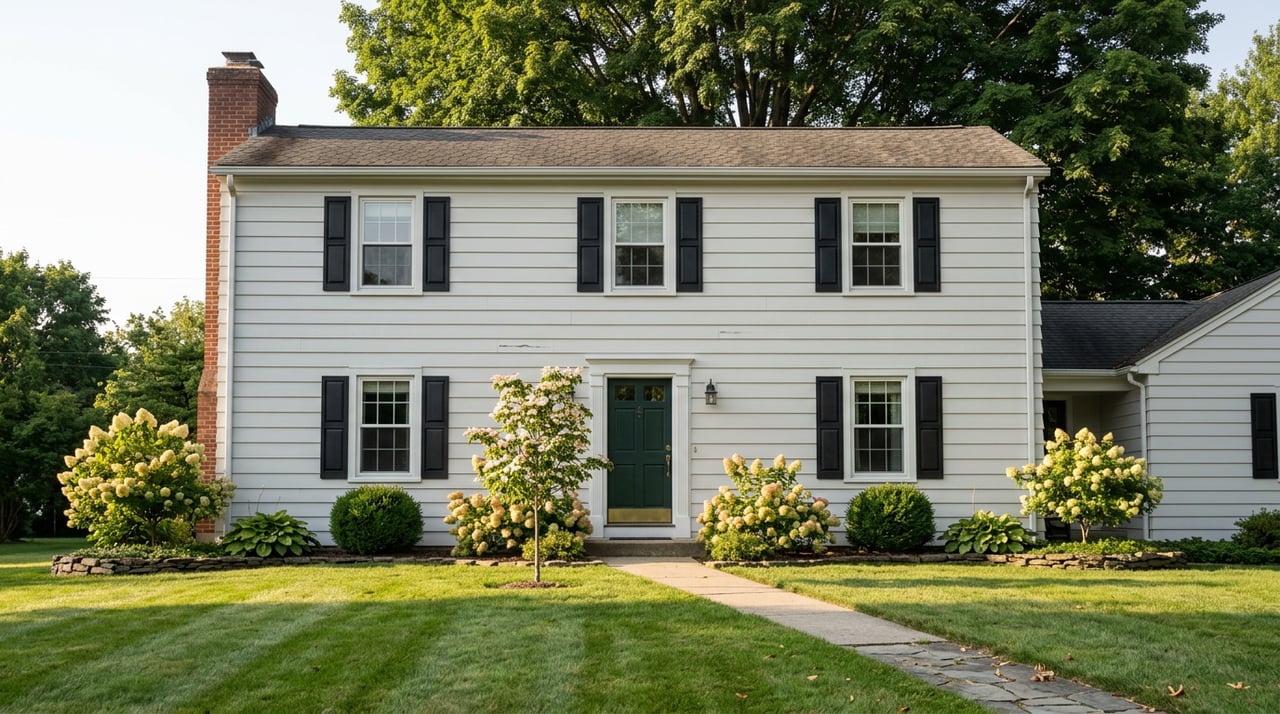
Prioritize first impressions
For an older West Tatnuck home, safer cosmetic dollars usually include:
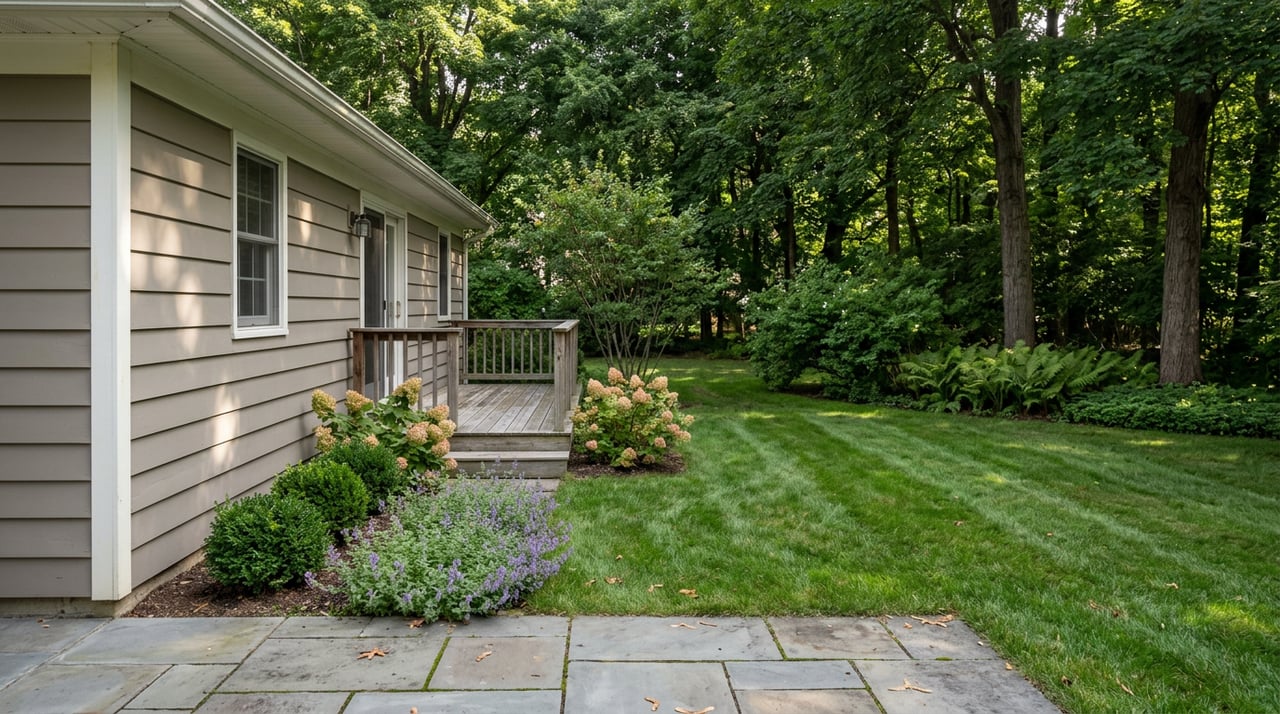
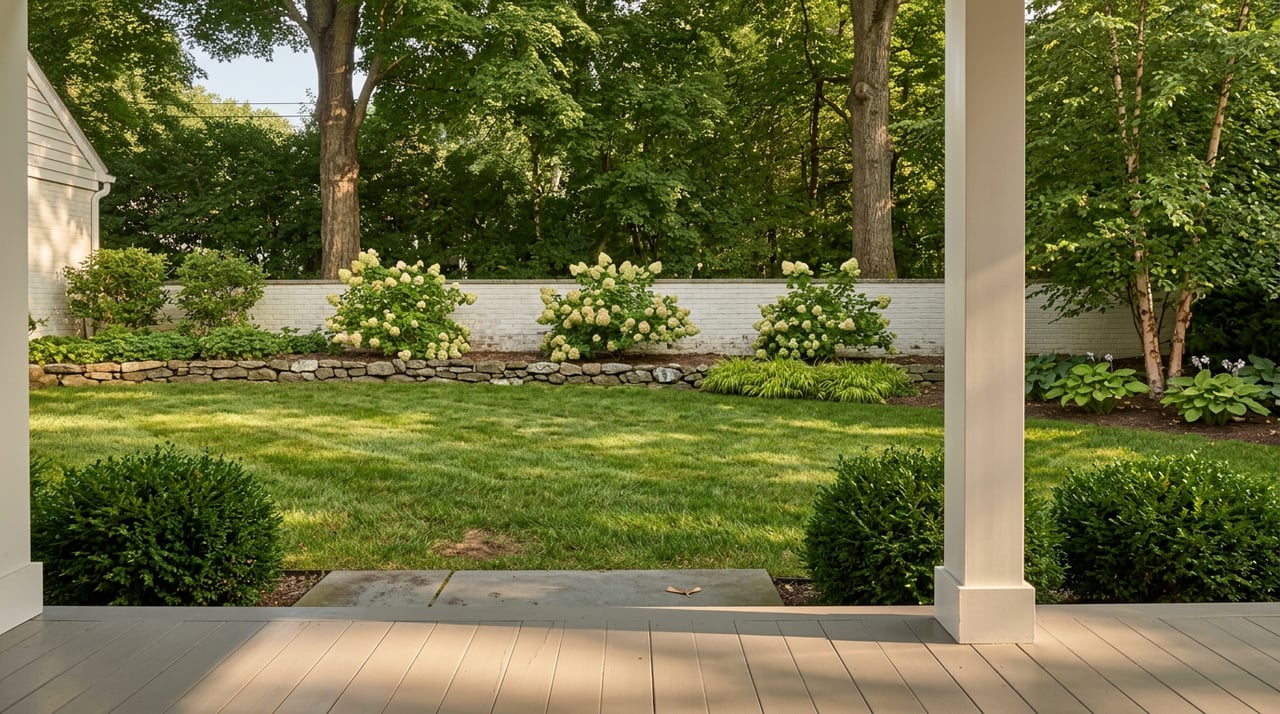
- Lawn care and simple landscaping
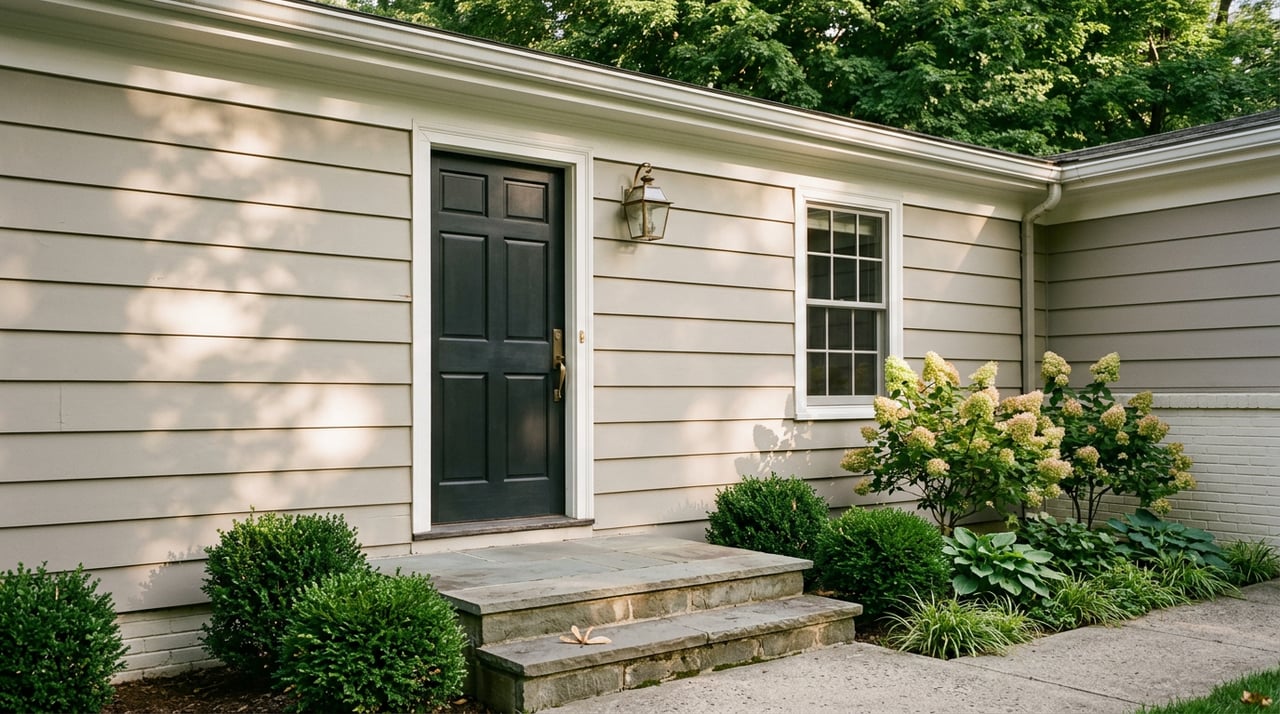
- Front entry clean-up
- A tidy, welcoming porch or stoop
- Fresh touch-up paint where needed
- Deep cleaning
- Decluttering
- Light staging in main living spaces
NAR’s 2025 remodeling data also suggested strong resale appeal for smaller exterior improvements like a new front door, while outdoor maintenance and landscape upgrades showed especially strong cost recovery. That is not a guarantee of return in every case, but it supports a practical strategy: improve what buyers see first.
Focus on the rooms that carry the listing
The most important rooms to stage are usually the living room, primary bedroom, and kitchen. For many older homes, that does not mean a full renovation. It often means making each room feel brighter, cleaner, more spacious, and easier to understand.
You can often get there with a few smart steps:
- Remove extra furniture
- Clear kitchen counters
- Edit personal items
- Use neutral bedding and simple accessories
- Maximize natural light
- Address worn or broken hardware
If a room is clearly failing, then a larger update may be worth discussing. But if the room is functional, clean, and reasonably current, presentation often goes further than an expensive overhaul.
Consider comfort and efficiency upgrades carefully
Older Worcester homes often struggle with heating, cooling, insulation, and ventilation. If you have the time and budget, energy improvements can help support buyer confidence and day-to-day comfort.
Mass Save says homeowners can begin with a home energy assessment and then consider insulation, air sealing, windows, and high-efficiency water heating. It also offers the HEAT Loan with 0% financing for eligible improvements.
This does not mean you need to replace every window before listing. It means that if your house has obvious comfort or efficiency issues, there may be a more strategic path than guessing where to spend.
Follow a realistic prep timeline
One of the biggest mistakes sellers make is starting with photos and then reacting to problems later. For an older home, it is usually better to work backward from your ideal listing date.
Because Worcester may require permits for work involving roofing, siding, decks, porches, insulation, weatherization, and windows, your first step should be checking what work is needed and whether permits or licensed contractors are required. Worcester also lists building, electrical, gas, mechanical, and plumbing permits, and Massachusetts requires HIC registration for residential contractors working on existing owner-occupied one- to four-unit properties.
A practical older-home listing timeline
8 to 12 weeks before listing
- Walk through the property with a critical eye
- Consider a pre-listing inspection
- Gather contractor estimates
- Identify any permit-related work
- Review compliance items like alarms or lead paperwork
4 to 6 weeks before listing
- Complete key mechanical and safety repairs
- Address leaks, drainage, and moisture issues
- Tackle visible electrical or plumbing concerns
- Handle any higher-priority lead or health-hazard items
2 to 3 weeks before listing
- Finish paint touch-ups
- Improve landscaping and curb appeal
- Deep clean the home
- Declutter and stage main rooms - Request a free e-book on where to donate, recycle, and dispose of items in Worcester.
- Schedule listing photos
This kind of sequence helps reduce surprises. It also gives you a better chance of spending your money on the repairs and improvements buyers are most likely to care about.
Use Worcester resources when they apply
If your home needs more than light prep, local programs may help reduce the burden. Worcester’s Lead Abatement Program and Healthy Homes program assist eligible properties with lead and other health-hazard remediation.
The city’s Elder Home Repair Program can provide up to $25,000 per unit for eligible seniors to address major systems such as heating, roof, siding, windows, and other key repairs. For some sellers, especially longtime owners and 55+ households, this can be an important option to explore before listing.
Worcester’s water department also says that no lead service lines have been discovered in the city’s inventory to date, though some service-line materials remain unknown. If you receive notice that your material is unknown, you can request an investigation.
The best strategy for most West Tatnuck sellers
If you are preparing an older West Tatnuck home for today’s buyers, the strongest strategy is usually simple. First, reduce inspection objections. Next, show the home is dry, safe, and functional. Then use the remaining budget on curb appeal and the rooms buyers see first.
That approach fits Worcester’s older housing stock, Massachusetts inspection rules, and what staging and remodeling data suggest about buyer behavior. It also helps you avoid over-improving the property while still presenting it with care.
If you are not sure where to start, a local plan matters. The right advice can help you sort true deal-breakers from cosmetic noise, price the home appropriately, and make smart decisions about prep, timing, and vendor coordination. When you are ready for that conversation, Erin Zamarro can help you build a practical selling strategy for your Worcester home.
FAQs
What should sellers fix first in an older West Tatnuck home?
- Start with roof, drainage, foundation, plumbing, electrical, heating and cooling, moisture, and safety issues because those are the areas most likely to affect inspections and buyer confidence.
Do Massachusetts buyers still get home inspections on older Worcester homes?
- Yes. Since October 15, 2025, sellers and agents in Massachusetts cannot condition a sale on a buyer waiving inspection, so sellers should prepare as if an inspection will happen.
Are cosmetic updates worth it before selling a West Tatnuck home?
- Usually yes, after major condition issues are addressed. Cleaning, decluttering, curb appeal, and light staging often make a stronger impact than a major remodel.
What rooms matter most when staging an older home in Worcester?
- The living room, primary bedroom, and kitchen are typically the most important rooms to stage because they shape how buyers picture themselves in the home.
What compliance items matter when selling an older Worcester-area home?
- Depending on the property, sellers may need to address lead paint notification for pre-1978 homes, smoke and carbon monoxide alarm compliance, septic requirements, and service-line questions if material is unknown.
Are there Worcester programs that can help with older-home repairs before a sale?
- Yes. Eligible properties may qualify for Worcester’s Lead Abatement Program, Healthy Homes program, or the Elder Home Repair Program, which can help with certain health, safety, and major system repairs.