If you are thinking about buying a single-family home in Burncoat Worcester, you are probably asking the same questions many buyers ask right now: How competitive is it, what will your budget get you, and how careful do you need to be with older homes? Burncoat can be a smart option if you want a primarily single-family neighborhood with convenient access, but the market moves fast and inventory stays tight. With the right expectations and a clear plan, you can shop with more confidence and avoid expensive surprises. Let’s dive in.
Burncoat market at a glance
Burncoat is a competitive single-family market with limited inventory. According to Redfin’s Burncoat housing market data, the median sale price is about $424,000, homes sell in roughly 20 to 24 days, and the average sale-to-list ratio is 102.0%. That means well-priced homes can attract multiple offers, and some hot homes may sell above asking price.
At the same time, active listing prices are often higher than recent sold prices. Realtor.com’s Burncoat neighborhood overview shows only five homes for sale, with a median list price of $484,450 and a median days-on-market figure of 45. In simple terms, you should expect Burncoat to behave like a low-to-mid $400,000s sold market with many current asking prices in the upper $400,000s.
What your budget may buy
If you are trying to set a realistic budget, think in ranges instead of one exact number. Recent sold data suggests many single-family homes trade in the low-to-mid $400,000s, while active listings may push closer to the upper $400,000s depending on condition, updates, and lot size. That gap matters when you are building your search and deciding how aggressive to be.
Burncoat also sits in a middle position compared with nearby Worcester areas. Realtor.com’s comparison data shows nearby North Worcester at $464,000, Summit at $451,950, Greendale at $449,900, and Indian Hill at $499,900 in median list price terms. Burncoat is not the cheapest option nearby, but it is also not the highest priced.
Citywide, Worcester is slightly higher on the sold side. Redfin’s Worcester market snapshot places the city’s median sale price at $500,000, while Realtor.com shows a $475,000 citywide median list price. That gives Burncoat a value position for buyers who want to stay in Worcester but still compete for single-family inventory.
Burncoat housing stock and home styles
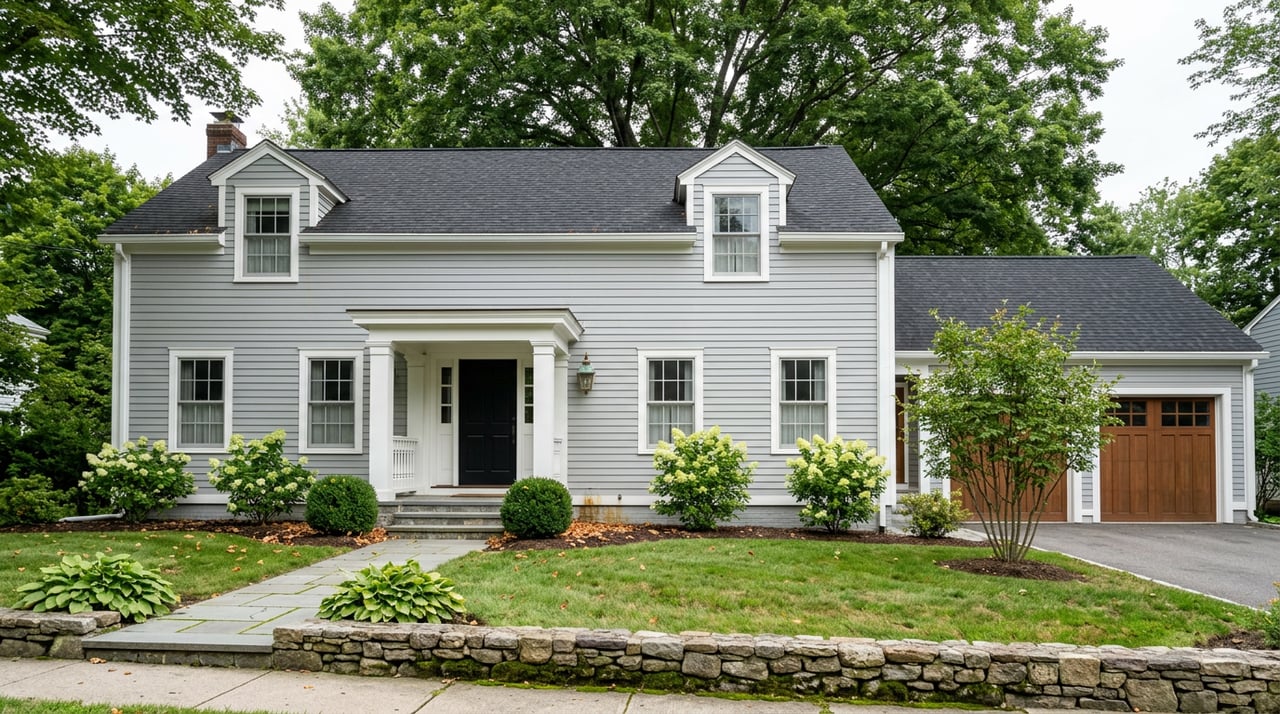
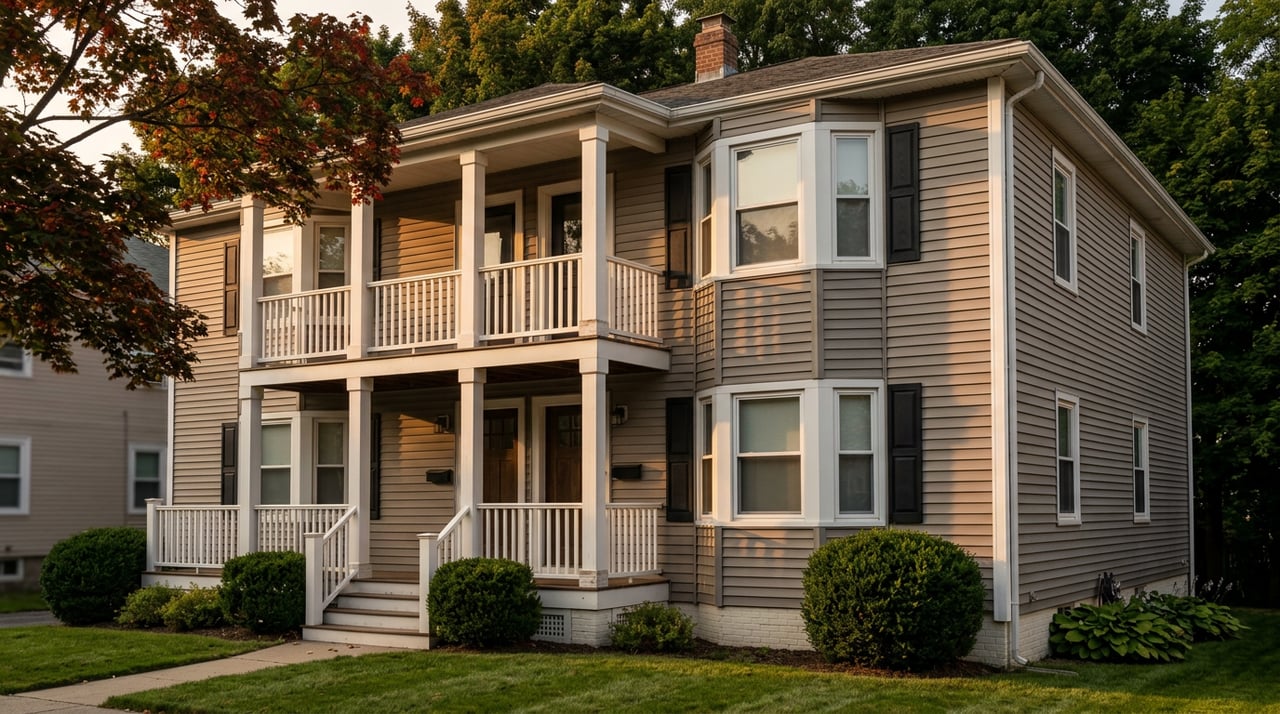
One of Burncoat’s biggest draws is that it remains primarily a single-family neighborhood. Point2Homes demographic data reports 2,618 housing units in Burncoat, with 55.8% detached single-family homes and 67.8% owner-occupied units. For buyers who want a more traditional single-family setting in Worcester, that is useful context.
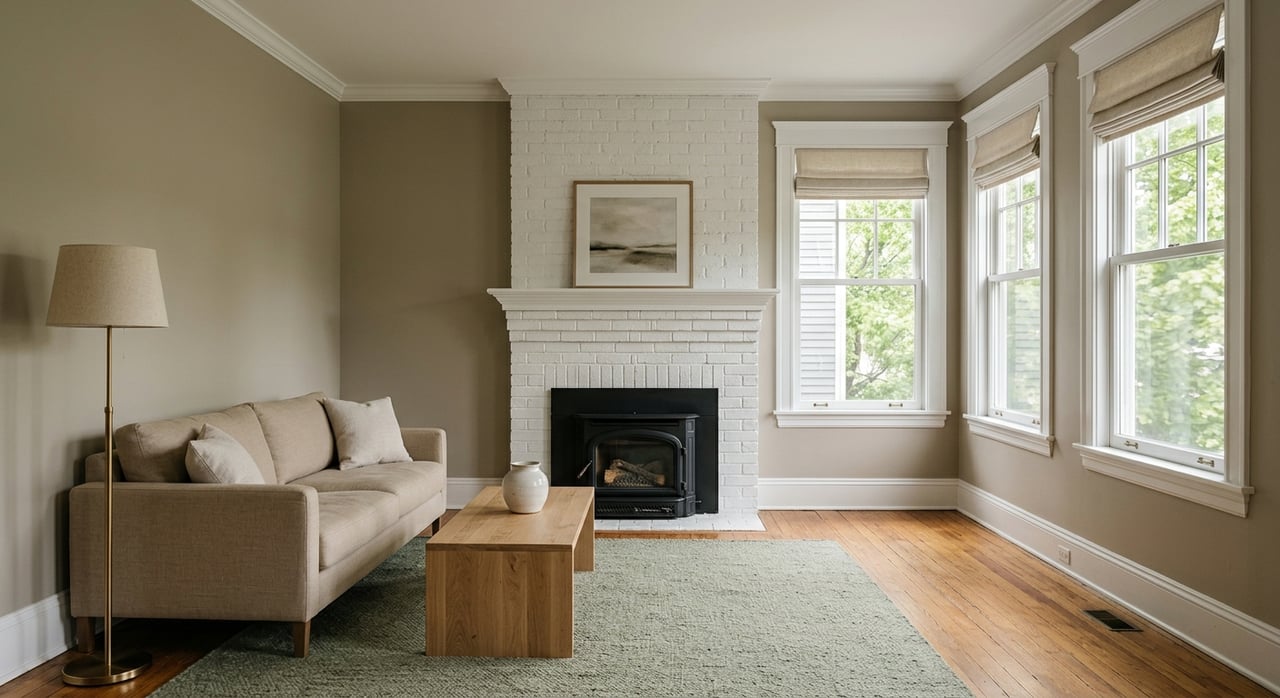
You should also expect an older housing stock. The same Point2Homes data shows a median construction year of 1954, and 33.1% of homes were built before 1940. That usually means more character and established streetscapes, but it can also mean more maintenance and more variation from house to house.
Recent listing examples show the kind of range you may see. A sampled property on Burncoat Street was built in 1927 on a 6,875-square-foot lot, another on Saint Nicholas Avenue was built in 1961 on a 7,500-square-foot lot, and another Burncoat Street home from 1951 sat on about 0.29 acres, according to this Realtor.com listing example. There are also occasional newer homes mixed in, including a 2026 new build on about 0.11 acres.
Are Burncoat lots small?
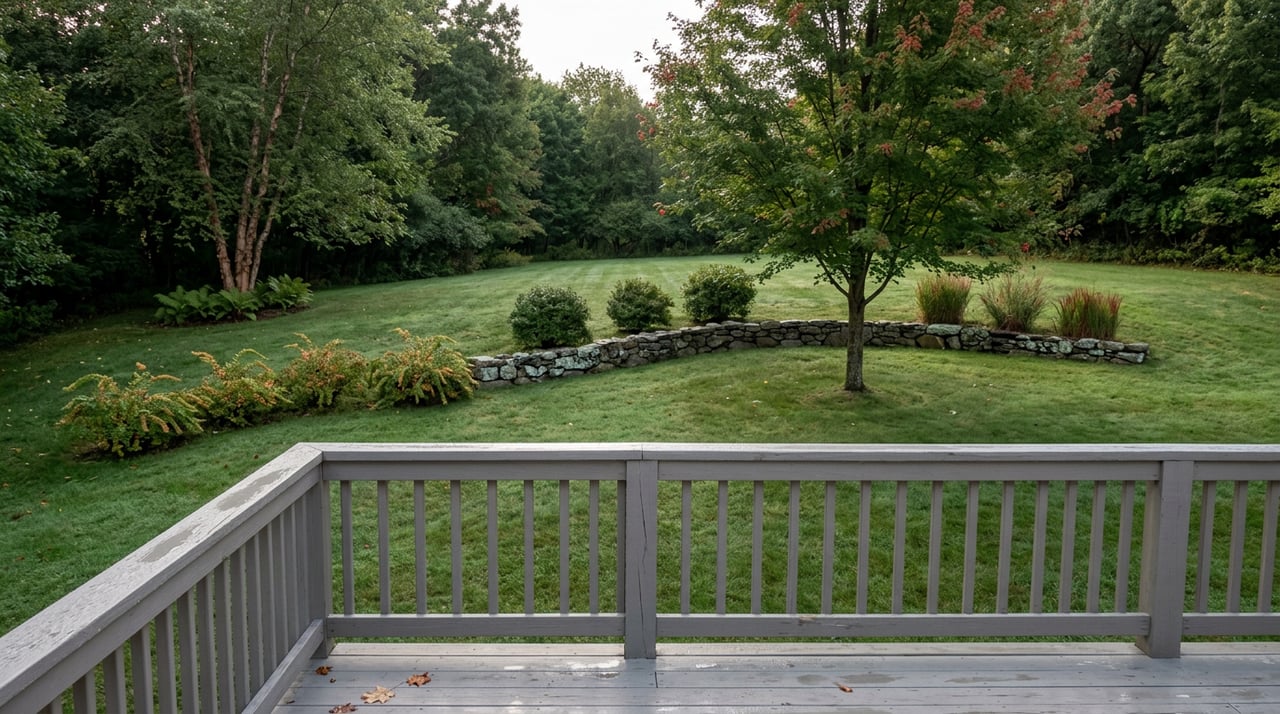
Usually, Burncoat lots are better described as modest to medium rather than tiny. Based on recent listing examples, many single-family lots appear to fall around 0.11 to 0.29 acres, with some variation depending on the street and the age of the home. That can give you a workable yard without pushing you into a much higher price bracket.
The key is to compare lot size alongside layout and condition. A larger lot may come with an older home that needs updates, while a newer or renovated home may sit on a smaller parcel. In a market with limited choices, knowing which trade-offs matter most to you will help you move faster when the right house hits the market.
Older homes need smart due diligence
Because much of Burncoat’s housing stock predates the 1970s, inspections matter. Fannie Mae’s home inspection checklist recommends close review of foundations, basements, roofing, windows, plumbing, electrical systems, heating and cooling equipment, insulation, and ventilation. Those are exactly the areas that can affect your budget after closing.
This does not mean older Burncoat homes are a bad idea. It means you should buy with a clear understanding of condition, deferred maintenance, and future repair priorities. In many cases, an inspection can uncover issues that support renegotiation or help you decide whether to move forward.
Lead paint is another important topic for older homes. Massachusetts law requires lead-risk notification when homes built before 1978 are sold or rented, so pre-1978 properties deserve extra attention to disclosures and, when needed, specialist testing. In Burncoat, where many homes were built well before that date, this is a routine part of careful due diligence.
Should you waive inspection in Burncoat?
In most cases, waiving inspection on an older Burncoat single-family home is risky. Burncoat is competitive, and Redfin’s data points to multiple-offer pressure, but that does not erase the realities of older housing systems and possible safety or maintenance issues. A fast market is not the same thing as a no-risk market.
A better approach is often a clean, well-prepared offer with a short and focused inspection period. That can help you stay competitive without giving up an important layer of protection. When homes are older and inventory is tight, smart buyers balance speed with caution.
How to prepare before you start touring
Your strongest advantage may come before you step inside the first home. The Consumer Financial Protection Bureau’s preapproval guidance explains that a preapproval letter shows sellers you are serious and gives you a clearer picture of your price range. In a neighborhood like Burncoat, where homes can move quickly, that preparation matters.
Fannie Mae’s home shopping checklist also offers a practical framework that works especially well here. Before touring, make a list of must-haves and nice-to-haves, and compare each home based on age, updates, time on market, utility costs, and location factors that matter to your daily routine. That helps you avoid making rushed decisions just because inventory is low.
It is also worth knowing that Massachusetts follows an attorney-driven purchase and sale process. That is part of the normal homebuying structure in the state, and it can feel different if you are relocating from another market. Clear guidance through those steps can make the process feel much more manageable.
Burncoat access and daily convenience
Burncoat tends to work well for buyers who expect to drive for most errands and commuting. The City of Worcester’s Burncoat Street project page describes Burncoat Street as a 3.5-mile collector road crossing Britain Square, Greendale, and Burncoat, with community resources along the corridor including Burncoat Middle and High Schools, Burncoat Street Prep, Quinsigamond Community College, the Burncoat Branch Library, and WRTA Route 14 bus service.
Still, this is generally a car-oriented area. Point2Homes reports that 98.2% of Burncoat residents commute by car, while only about 1% use bus or trolleybus. If your lifestyle depends on driving access more than a walk-first setup, Burncoat may be a practical fit.
The neighborhood also offers nearby open space. Worcester notes Burncoat North Park is a 26-acre park just north of I-290 and Brittan Square, and Burncoat Street Playground sits between Burncoat Street and West Boylston Street. These nearby amenities can add everyday convenience when you are comparing one Worcester neighborhood against another.
A smart Burncoat offer strategy
In a low-inventory market, the best offer is not always the one with the highest number. Often, it is the offer that is complete, well-documented, and easy for the seller to trust. That starts with preapproval, fast communication, realistic pricing expectations, and flexibility where you can offer it.
Burncoat data suggests you should be ready for competition, especially on homes that are updated and priced well. Since homes may sell around or above asking, it helps to understand local sold data and to know your ceiling before emotions take over. You want to move decisively, but you also want to protect your long-term finances.
This is where local guidance matters. Burncoat includes older homes, occasional newer construction, modest-to-medium lot sizes, and a pricing spread between asking and sold numbers. A buyer who understands those local patterns can make stronger decisions from the start.
If you are planning to buy in Burncoat, working with a Worcester-area broker who knows the neighborhood and the Massachusetts process can help you compete without losing sight of condition, resale, and your budget. If you want a clear strategy for your search, connect with Erin Zamarro for practical local guidance tailored to your goals.
FAQs
What price range should you expect for a single-family home in Burncoat Worcester?
- Burncoat generally reads as a low-to-mid $400,000s sold market, while many active listings are priced in the upper $400,000s based on Redfin and Realtor.com data.
Are single-family lots in Burncoat Worcester usually small?
- Most recent examples suggest modest-to-medium lots, often around 0.11 to 0.29 acres, with some larger parcels and occasional smaller infill-style lots.
Is Burncoat Worcester competitive for home buyers?
- Yes. Burncoat has tight inventory, homes often sell in about 20 to 24 days, and Redfin notes that many homes receive multiple offers.
Should you waive inspection when buying an older Burncoat Worcester home?
- Usually no. Because many Burncoat homes are older, a short targeted inspection period is often safer than waiving inspection entirely.
What should you check when buying an older single-family home in Burncoat Worcester?
- Pay close attention to the foundation, basement, roof, windows, plumbing, electrical, heating and cooling systems, insulation, ventilation, and lead disclosures for homes built before 1978.
Is Burncoat Worcester a walkable neighborhood for daily commuting?
- Burncoat is generally more car-oriented than walk-first, though the corridor does include WRTA Route 14 bus service and several local community resources along Burncoat Street.